


Your cart is empty.
Click here to purchase!
Blog
The Benefits of Maca

02.09.2026
13:57
Maca – the uncrowned king of adaptogenic herbs. Adaptogenic – in other words, able to adapt. It is a term we have all seen and heard used in countless contexts and interpretations, yet surprisingly few people truly understand what it actually means.
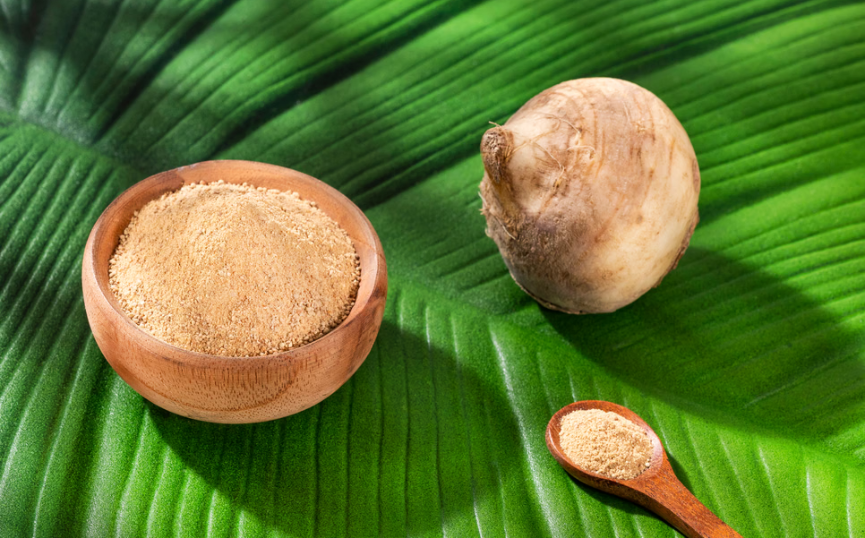
What Exactly Is Maca?1
Maca (Lepidium meyenii) belongs to the cruciferous vegetable family (Brassicaceae). This means its closest botanical relatives include radishes, turnips and rutabagas, as well as broccoli, cauliflower and cabbage.
In dietary supplements, the part most commonly used is the plant's underground, radish-like tuber or root. After gentle drying, it is typically ground into a fine powder.
Maca originates from the high-altitude regions of the Peruvian Andes, where it grows at elevations of more than 4,000 metres. In this harsh environment, the plant has developed remarkable resilience while preserving its nutritional compounds. It is precisely this ability to thrive under extreme conditions that has made maca such an intriguing plant.
Plant Adaptability – Why Does It Matter to Us?2
One of the most fascinating features of plants is their ability to adapt to environmental challenges. Soil composition, altitude, climate and extreme weather conditions can all influence the types of protective compounds a plant produces in order to survive.
When a plant is continuously exposed to environmental stress – such as intense UV radiation, low temperatures or oxygen-poor conditions – it may accumulate biological compounds that help it withstand these challenges. Interestingly, some of these natural "defence molecules" may also have beneficial physiological effects in the human body, including supporting energy levels, hormonal balance and adaptation to stress.
How Are Adaptogenic Plants Classified?
For a plant to be scientifically classified as an adaptogen, simply being described as "healthy" or "energising" is not enough. The term adaptogen was introduced in 1947 by Soviet toxicologist Nikolai Lazarev, while Israel Brekhman later helped refine the criteria used to define this group of substances.
For maca – or any other herb – to meet the criteria for classification as an adaptogen, it must satisfy three fundamental requirements3:
- An adaptogen does not act against one specific disease or target one particular organ. Instead, it generally increases the body's resistance to different stressors.
- Adaptogens should not push the body towards physiological extremes, unlike stimulants such as caffeine, which can temporarily increase heart rate and blood pressure.
- Adaptogens must have a high level of safety. They should not cause dependence or serious adverse effects and, when used at normal doses by healthy individuals, should not interfere with normal physiological functions.
Maca is generally considered to meet the criteria traditionally associated with adaptogenic plants.
Maca as an Adaptogen
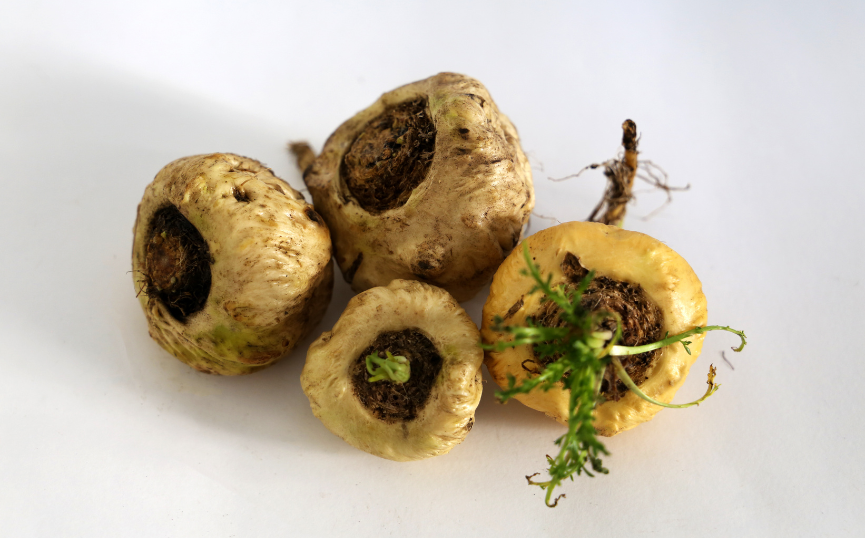
Although maca is often marketed as "Peruvian ginseng", it is botanically unrelated to true ginseng species. The comparison comes from the similarities commonly attributed to their adaptogenic properties rather than any botanical relationship.
Traditionally, herbs described as adaptogens have been used for several purposes5:
- Supporting the body during periods of exhaustion and physical weakness.
- Helping maintain perceived energy levels over time.
- Supporting concentration and physical endurance.
- Helping the body adapt to the physiological effects of chronic stress.
A recurring finding in human clinical studies is that regular maca consumption may positively influence mood, perceived stress and subjective energy levels.6,7
Among the compounds associated with maca's adaptogenic properties, macamides are particularly noteworthy. According to a 2024 review2, they are among maca's most characteristic bioactive compounds.4
Maca and Sexual Function

Although many of maca's proposed effects appear to involve the nervous system, research has also examined its potential role in libido and sexual well-being in both men and women. Clinical research and systematic reviews have reported changes in sexual desire and mood, while the underlying mechanisms appear to be more complex than simply altering sex hormone levels.
Rather than acting directly on sex hormones, maca may influence regulatory pathways involving the hypothalamus and pituitary gland. These structures play a central role in the hypothalamic-pituitary-adrenal (HPA) axis, one of the body's key stress-response systems. Stress regulation itself is closely linked to libido and sexual well-being.8-11
Maca and Sperm Parameters
Researchers at Cayetano Heredia University investigated how regular maca consumption could affect semen parameters in adult men.12
The study reported increases in sperm concentration, the number of motile sperm cells and semen volume. Researchers also monitored hormone levels, including testosterone, oestrogen, LH and FSH. Importantly, these hormone levels did not change significantly during the study, suggesting that maca's observed effects were not necessarily driven by changes in circulating sex hormones.
Maca and Menopause
A systematic review examined available clinical studies to determine whether maca root could help alleviate symptoms associated with menopause.13
The reviewed research suggested that regular maca consumption may help reduce certain menopausal symptoms, including hot flushes. Some studies also reported improvements in psychological well-being and mood-related symptoms.
Maca and Cardiovascular Health
A study involving indigenous populations living in the Peruvian Andes suggested that maca consumption may be associated with healthy blood pressure levels and favourable changes in certain health-related biomarkers.16
Another double-blind study involving healthy men investigated gelatinised maca over a 12-week period and reported findings related to cardiovascular function.17
Not All Maca Is the Same11
A quick look at the market reveals that maca is not simply one uniform type of powder. Although the different varieties come from the same plant species, their colour variants may contain different profiles of bioactive compounds, which has led researchers to investigate them for different applications.
- Yellow Maca – the traditional variety: accounting for roughly 70% of the total harvest, yellow maca is the most common and extensively studied variety. It is often chosen as an all-round option for supporting everyday vitality and energy.
- Red Maca – stress support and women's wellness: a less common variety with a notable profile of antioxidants and phenolic compounds. Research has investigated red maca in relation to stress regulation, psychological well-being and menopausal symptoms.
- Black Maca – focus and male vitality: one of the rarest varieties, representing only around 10–15% of the harvest. Research has explored black maca for its potential role in cognitive performance, memory, focus, physical performance and male reproductive health.
Pro tip: when choosing a maca supplement, it is worth checking the label carefully. Premium formulations may deliberately use or combine different maca varieties depending on the intended composition of the product.
Maca Dosage and Possible Side Effects14
According to clinical data reviewed by Examine.com, commonly studied maca doses range from approximately 1,500 to 3,000 mg per day, preferably taken with food. This range generally applies to traditional or gelatinised maca powder, while concentrated extracts may be used in smaller amounts depending on their strength.
Maca has a long history of use as a food in the Andes and is generally well tolerated. In its raw form, its starch content may cause mild bloating or digestive discomfort in some people; gelatinised maca is often easier to digest. Because some users experience a mild energising effect, taking it earlier in the day may be preferable.
Although maca does not appear to significantly alter circulating sex hormone levels, it may interact with physiological pathways connected to the endocrine system. People with existing hormonal or thyroid conditions should therefore consult a healthcare professional before using maca supplements. As maca belongs to the cruciferous vegetable family, individuals with certain thyroid conditions may also wish to discuss its potential goitrogenic properties with their doctor.
Vitamin360 Recommends
USA Medical Organic Maca Root – an option aimed at supporting male vitality and focus. The formula contains a high proportion of black maca and also includes black pepper extract.
NOW Foods Maca 750 mg (90 Veg Capsules) – a straightforward choice for those looking for a well-balanced maca dietary supplement in capsule form.
NOW Foods Maca Pure Powder (Organic) – a practical alternative for anyone who prefers powder or finds capsules and tablets difficult to swallow.
Sources ⋙
- LiverTox: Clinical and Research Information on Drug-Induced Liver Injury [Internet]. Bethesda (MD): National Institute of Diabetes and Digestive and Kidney Diseases; 2012-. Maca. [Updated 2019 Apr 10]. Available from: https://www.ncbi.nlm.nih.gov/books/NBK548552/
- Ulloa Del Carpio N, Alvarado-Corella D, Quiñones-Laveriano DM, Araya-Sibaja A, Vega-Baudrit J, Monagas-Juan M, Navarro-Hoyos M, Villar-López M. Exploring the chemical and pharmacological variability of Lepidium meyenii: a comprehensive review of the effects of maca. Front Pharmacol. 2024 Feb 19;15:1360422.
- Panossian A, Wikman G. Effects of Adaptogens on the Central Nervous System and the Molecular Mechanisms Associated with Their Stress-Protective Activity. Pharmaceuticals (Basel). 2010 Jan 19;3(1):188-224. doi: 10.3390/ph3010188. PMID: 27713248; PMCID: PMC3991026.
- Ulloa Del Carpio N, Alvarado-Corella D, Quiñones-Laveriano DM, Araya-Sibaja A, Vega-Baudrit J, Monagas-Juan M, Navarro-Hoyos M, Villar-López M. Exploring the chemical and pharmacological variability of Lepidium meyenii: a comprehensive review of the effects of maca. Front Pharmacol. 2024 Feb 19;15:1360422. doi: 10.3389/fphar.2024.1360422. PMID: 38440178; PMCID: PMC10910417.
- Panossian A, Wikman G. Effects of Adaptogens on the Central Nervous System and the Molecular Mechanisms Associated with Their Stress-Protective Activity. Pharmaceuticals (Basel). 2010 Jan 19;3(1):188-224. doi: 10.3390/ph3010188. PMID: 27713248; PMCID: PMC3991026.
- Gonzales-Arimborgo C, Yupanqui I, Montero E, Alarcón-Yaquetto DE, Zevallos-Concha A, Caballero L, Gasco M, Zhao J, Khan IA, Gonzales GF. Acceptability, Safety, and Efficacy of Oral Administration of Extracts of Black or Red Maca (Lepidium meyenii) in Adult Human Subjects: A Randomized, Double-Blind, Placebo-Controlled Study. Pharmaceuticals (Basel). 2016 Aug 18;9(3):49. doi: 10.3390/ph9030049. PMID: 27548190; PMCID: PMC5039502.
- Brooks NA, Wilcox G, Walker KZ, Ashton JF, Cox MB, Stojanovska L. Beneficial effects of Lepidium meyenii (Maca) on psychological symptoms and measures of sexual dysfunction in postmenopausal women are not related to estrogen or androgen content. Menopause. 2008 Nov-Dec;15(6):1157-62. doi: 10.1097/gme.0b013e3181732953. PMID: 18784609.
- Gonzales GF, Córdova A, Vega K, Chung A, Villena A, Góñez C, Castillo S. Effect of Lepidium meyenii (MACA) on sexual desire and its absent relationship with serum testosterone levels in adult healthy men. Andrologia. 2002 Dec;34(6):367-72. doi: 10.1046/j.1439-0272.2002.00519.x. PMID: 12472620.
- Mües HM, Markert C, Feneberg AC, Nater UM. Too stressed for sex? Associations between stress and sex in daily life. Psychoneuroendocrinology. 2025 Nov;181:107583. doi: 10.1016/j.psyneuen.2025.107583. Epub 2025 Aug 23. PMID: 40907147.
- Brooks NA, Wilcox G, Walker KZ, Ashton JF, Cox MB, Stojanovska L. Beneficial effects of Lepidium meyenii (Maca) on psychological symptoms and measures of sexual dysfunction in postmenopausal women are not related to estrogen or androgen content. Menopause. 2008 Nov-Dec;15(6):1157-62. doi: 10.1097/gme.0b013e3181732953. PMID: 18784609.
- Minich DM, Ross K, Frame J, Fahoum M, Warner W, Meissner HO. Not All Maca Is Created Equal: A Review of Colors, Nutrition, Phytochemicals, and Clinical Uses. Nutrients. 2024 Feb 14;16(4):530. doi: 10.3390/nu16040530. PMID: 38398854; PMCID: PMC10892513.
- Gonzales GF, Cordova A, Gonzales C, Chung A, Vega K, Villena A. Lepidium meyenii (Maca) improved semen parameters in adult men. Asian J Androl. 2001 Dec;3(4):301-3. PMID: 11753476.
- Lee MS, Shin BC, Yang EJ, Lim HJ, Ernst E. Maca (Lepidium meyenii) for treatment of menopausal symptoms: A systematic review. Maturitas. 2011 Nov;70(3):227-33. doi: 10.1016/j.maturitas.2011.07.017. Epub 2011 Aug 15. PMID: 21840656.
- https://examine.com/supplements/maca/?show_conditions=true
- Gonzales-Arimborgo C, Yupanqui I, Montero E, Alarcón-Yaquetto DE, Zevallos-Concha A, Caballero L, Gasco M, Zhao J, Khan IA, Gonzales GF. Acceptability, Safety, and Efficacy of Oral Administration of Extracts of Black or Red Maca (Lepidium meyenii) in Adult Human Subjects: A Randomized, Double-Blind, Placebo-Controlled Study. Pharmaceuticals (Basel). 2016 Aug 18;9(3):49. doi: 10.3390/ph9030049. PMID: 27548190; PMCID: PMC5039502.
- Gonzales GF, Gasco M, Lozada-Requena I. Role of maca (Lepidium meyenii) consumption on serum interleukin-6 levels and health status in populations living in the Peruvian Central Andes over 4000 m of altitude. Plant Foods Hum Nutr. 2013 Dec;68(4):347-51. doi: 10.1007/s11130-013-0378-5. PMID: 23934543; PMCID: PMC3856628.

Among our articles written by our nutrition expert, you'll find product reviews and helpful tips on healthy living and prevention.
Our most popular articles: