


Your cart is empty.
Click here to purchase!
Blog
A General Guide Through the Maze of Liver-Support Products

16.12.2025
12:24
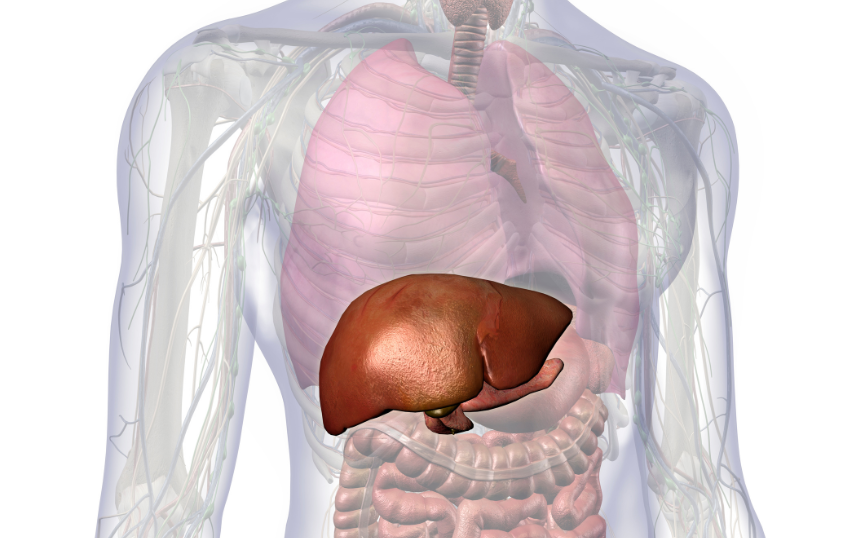
Few people realise that the liver is the only organ capable of substantial regeneration: it can recover and restore function even after up to 70% damage.¹ This remarkable ability makes the liver both vulnerable and uniquely resilient. In today’s article, we’ll show you how to take better care of your liver health.
Let’s start with the basics!

The role of the liver
The liver’s primary job is detoxification2 – it plays a key role in breaking down alcohol and medications (one of the most important parts of this detox function).
How does it do this?
It converts toxic substances entering the body through chemical transformations into water-soluble compounds, then eliminates them via bile or the kidneys.
But the liver isn’t just a “detox organ” – it is also the central control hub of metabolism, meaning it processes and transforms the nutrients you take in from food as well.
How exactly?
- The liver stores glucose (grape sugar) in the form of glycogen2, then converts it back when needed and releases it into the bloodstream. In other words, it both stores carbohydrates and produces them. If carbohydrate intake is low, the liver can produce new glucose from amino acids and fatty acids – a process called gluconeogenesis.
- The liver breaks down amino acids2 and removes nitrogen from them. From excess nitrogen it produces urea, which leaves the body through the kidneys. What’s more, the liver itself produces a number of proteins, such as albumin (to help maintain the osmotic pressure of the blood) and clotting factors.
- The liver synthesizes cholesterol2 and phospholipids2, which are building blocks of cell membranes. It also produces bile acids, essential for fat digestion.
- The liver converts fatty acids into energy, or stores them as triglycerides (as fat).
The liver is an incredibly complex organ – and the more functions it has, the heavier the load. In everyday life, the liver is continuously exposed to stressors: diet, medications, alcohol, environmental toxins, and stress all put it to the test.
That’s exactly why liver-support products have become so popular: they aim to support regeneration, reduce harmful effects, and promote optimal function. Next, we’ll break things down by active ingredients to help you navigate the diverse world of liver support!
Factors that stimulate liver regeneration
Let’s walk through the “liver regeneration script” to understand how liver-support products are thought to work.
Regeneration requires cell-cycle regulation – in other words, liver cells must be prompted to divide. Key regulators here are so-called inflammatory cytokines, which prepare liver cells (hepatocytes) for division. These cytokines are triggered by the injury itself – surrounding cells immediately send out signals that “something’s wrong” and in doing so activate inflammatory cells.
The main drivers of cell division are growth factors: hepatocyte growth factor (HGF) and epidermal growth factor (EGF).3
What can increase HGF and EGF levels?
These growth factors are regulated strictly by internal signaling pathways. However, certain external factors (dietary supplements and lifestyle choices) can indirectly support HGF/EGF activity and, more broadly, liver regeneration.
Lifestyle factors that support liver regeneration4-7
Reducing or avoiding alcohol. Alcohol directly damages hepatocytes and inhibits regeneration. Cutting back on alcohol can improve the liver-cell environment even in the short term, allowing HGF/EGF to work more effectively.

A healthy diet:
- An antioxidant-rich diet (vegetables, fruits, polyphenols) can directly protect liver cells from oxidative damage and indirectly reduce liver burden by supporting a healthier cellular environment.
- Omega-3 fatty acids (fish, flaxseed, walnuts) also have anti-inflammatory effects, supporting regeneration signaling both directly and indirectly.
- Protein intake: ensuring amino acids needed for regeneration is essential.
Weight control and movement. Regular physical activity improves insulin sensitivity and reduces the risk of fatty liver. Maintaining a healthy body weight lowers chronic inflammation, creating a more favorable environment for hepatocyte division. A lower body-fat percentage also reduces the likelihood of developing fatty liver.
Proper sleep and stress management. During sleep, regenerative hormones are activated, directly supporting liver-cell repair. Chronic stress increases inflammatory cytokines, which can hinder regeneration. Earlier we noted inflammation is crucial in liver regeneration because it activates first and kick-starts the cell cycle – so why call it “bad” here? Because excessive, systemic inflammation can cause chronic cellular damage and produce the opposite effect.
Avoiding toxins. Excessive medication use (e.g., high doses of paracetamol), industrial chemicals, or smoking can damage hepatocytes. Reducing or eliminating these exposures directly lowers the liver’s workload.
Dietary supplements that support liver regeneration
The foundation of liver support: silymarin and silybin (the main active compounds in milk thistle extract)8-10:
These two compounds show strong liver-cell-specific antioxidant (detox) and anti-inflammatory properties. Together, these effects can directly reduce the extent of liver damage. But the story doesn’t end there. Silymarin and silybin may inhibit activation of hepatic stellate cells, thereby reducing the development of liver fibrosis.
Let’s unpack that last sentence: what is liver fibrosis?
Hepatic stellate cells are activated only in response to injury (in their inactive state, they store vitamin A). Once activated, they begin producing large amounts of collagen. This collagen accumulates in liver tissue, leading to fibrosis (scarring). If the process persists, cirrhosis (advanced scarring – liver shrinkage) may develop. In other words, stellate cells function similarly to cytokines: they play a key role in regeneration, but excessive activity can make us ill.
Certain liver-support actives (e.g., silymarin, curcumin, resveratrol) can prevent stellate cells from producing too much collagen, resulting in less scar tissue. The liver’s structure can remain more flexible, and regenerative processes may proceed more efficiently.
Artichoke (Cynara scolymus).
One of the best-known liver-support plants, used for centuries in digestive and liver complaints. Its main active is cynarin, which has antioxidant, bile-stimulating, and hepatoprotective properties.
Cynarin, much like silymarin and silybin, can be considered liver-specific because it enhances bile production and flow, improving fat metabolism and detoxification. Clinical studies also confirm that regular use can improve liver enzyme values.58
NAC as a powerful antioxidant.11,12
N-acetylcysteine is a precursor to glutathione, one of the body’s most powerful antioxidant enzymes. It reduces oxidative stress and protects hepatocytes in cases of toxic damage (e.g., paracetamol overdose). By supporting cell survival, it indirectly aids regeneration. Its effect is more general than liver-specific. Due to its impact on glutathione, NAC is also strongly anti-infective.13-15
Omega-3 fatty acids (EPA, DHA)16
Omega-3s found in fish oil also have anti-inflammatory effects and improve insulin sensitivity. And improved insulin sensitivity means a lower tendency toward fat storage as well. In this way, they slow fatty-liver progression and reduce inflammatory cytokines, creating a more favorable environment for regeneration.
Curcuminoids (the main actives in turmeric extract)17-19
The active compounds in turmeric also have liver-specific effects. They inhibit TGF-β signaling, one of the main regulators of fibrosis.
As we saw with stellate cells and cytokines, TGF-β is a double-edged sword. Under normal conditions, it restrains hepatocyte division once the liver reaches an appropriate size, preventing uncontrolled growth and therefore cancer development. However, in chronic liver damage, TGF-β levels can remain persistently high. This continuously activates hepatic stellate cells, leading to fibrosis and eventually cirrhosis. In such cases TGF-β is no longer protective – it becomes harmful, because excessive inhibition and scarring prevent the liver from renewing. Lowering it becomes crucial, and this is another area where turmeric extract may help.
Resveratrol (grape skin, red-wine polyphenol)20
The active compound associated with red wine, resveratrol, activates SIRT1 signaling, improving cellular energy metabolism.
The SIRT-1 pathway is also tied to detoxification and anti-inflammatory processes, but it is more general than liver-specific.
In addition, resveratrol has been linked to lengthening the telomere region at the ends of genes – this DNA-end sequence continually shortens and is associated with aging.21 In other words, resveratrol may also have broader cell-renewal effects.
Vitamins and minerals
- Vitamins C and E: important for antioxidant defense.22,23
- Vitamin D: needed for its immunomodulatory effects, and it is very difficult to overdose – so using it is essentially “playing it safe.”24
- Zinc: an essential trace element for cell division and DNA synthesis, so it supports regenerative processes in general. For this reason, it can be a useful addition to liver-support products.25 Quick tip: with higher zinc intake, pay attention to copper supplementation, because the two minerals share the same transporter during absorption. Too much zinc can inhibit copper utilization, which over time may lead to deficiency symptoms.26
Can you have too much?
The short answer: yes. It’s possible to take too many liver-support ingredients at once (or at doses that are too high). As we’ve written a thousand times: “the dose makes the poison.” Liver-regeneration pathways can’t be sped up indefinitely.
If you take too many antioxidants or anti-inflammatories, it doesn’t necessarily enhance the effect further – and excessive turmeric or milk thistle may even be contraindicated. As an example, we just discussed the dual nature of TGF-β inhibited by turmeric.
The supplements mentioned above may have the following side effects:
- Excessive zinc intake can lead to copper deficiency.
- N-acetylcysteine in high doses may cause gastrointestinal discomfort27, and its antioxidant action can paradoxically shift toward a pro-oxidant effect.28
- Too much omega-3 may slow blood clotting, explained by its mild blood-thinning effect. If you’re on anticoagulant therapy, medical consultation may be required before use.29,30
- Polyphenols (general plant actives) in excessive amounts may cause digestive disturbances.31
How should you combine active ingredients?
A practical approach can be to combine a liver-specific antioxidant (for example, turmeric or milk thistle extract) with a general antioxidant (like N-acetylcysteine, NAC) and a anti-inflammatory active such as omega-3 fatty acids.
Why is this combination beneficial?
- Because of complementary mechanisms: liver-specific antioxidants, general antioxidants, and anti-inflammatories each work through different pathways.
- They provide broader protection by targeting oxidative stress, inflammation, and fibrosis risk simultaneously.
- Since they act via different pathways, there’s a lower chance they will blunt one another’s effects.
The two products below are built on exactly this synergy:
OstroVit Pharma Liver Aid - Liver Regeneration
or
Now Foods Liver Refresh™ - Liver Detox Formula
Choose either one, and alongside it you’d only need 2 capsules per day (depending on body weight) of Now Foods Molecularly Distilled Omega-3 Fish Oil Softgels. Under medical recommendation (and supervision), higher intakes of omega-3 fatty acids are sometimes used – even 7–13 capsules – typically in certain cardiovascular conditions. For maintaining general liver health, 2 capsules per day is sufficient and safe.
Another alternative: an effective Ayurvedic combination – Himalaya Liv.52!
We saved the heavy hitter for last. A product combination that’s still unusual in the West:
The Himalaya Liv.52.
Before we dive into the actives, here’s a quick preview of efficacy and clinical background:
- Himalaya Liv.52 has appeared in more than 270 clinical studies, mainly in alcohol-related liver injury, fatty liver, and toxic hepatopathy.34-42
- The formula does not contain classic Western actives; its effects are built around Ayurvedic plant extracts.
- It is generally considered safe, but at higher doses or alongside medications, medical consultation is recommended.
Liver-specific ingredients in Liv.52:
- Capparis spinosa (caper bush). On one hand, caper extract also affects the TGF-β signaling pathway. It also contains flavonoids (quercetin, kaempferol, rutin) and phenolic compounds that help prevent oxidative damage to cell-membrane lipids.43-45
- The Cichorium intybus (chicory): its liver-specific effects are mainly realized through increased bile production, activation of detoxifying enzymes, and protection of liver cells against oxidative damage. Clinical and experimental data suggest hepatoprotective effects in alcohol-related and fatty liver, reducing elevated liver enzymes and improving functional capacity.46-48
- Solanum nigrum (black nightshade): its hepatoprotective effects are primarily mediated through antioxidant and antifibrotic mechanisms. It specifically protects liver cells against toxic injury (e.g., CCl₄, D-galactosamine, alcohol, medications), reduces elevated liver enzymes, and moderates fibrosis.49-51
- Terminalia arjuna (arjuna tree): better known for heart support, but animal studies have also demonstrated liver-protective effects (e.g., in paracetamol-induced liver injury).52,53
- Cassia occidentalis (kasondi): kasondi extract increases the activity of phase I–II detox enzymes in the liver, improving neutralization of toxic metabolites (it has been studied specifically in relation to paracetamol).54
- Achillea millefolium (yarrow): anti-inflammatory and bile-stimulating effects; clinical data also show improvements in liver enzymes.55
- Tamarix gallica (French tamarisk): studied in animal models of drug-induced liver injury, with results supporting antioxidant and bile-stimulating effects.56,57
In other words, the active ingredients of Himalaya Liv.52 have each passed Western-style “tests” on their own. And for the product itself, an impressive amount of clinical data is available.
It’s important to highlight, however, that Liv.52 contains iron, so it should not be used in iron-storage disorders, and it requires extra caution in patients who need to restrict iron intake.
The Himalaya Liv.52 DS is an enhanced (D.S. = “Double Strength”) version of the classic Liv.52, designed for a more targeted and stronger liver-support effect. As the name suggests, it contains double the amount of each component (e.g., caper extract 520 mg instead of 260 mg in 4 tablets), so a more intensive antioxidant, anti-fibrotic, and bile-stimulating effect can be expected.
Sources ⋙
- Michalopoulos GK, Bhushan B. Liver regeneration: biological and pathological mechanisms and implications. Nat Rev Gastroenterol Hepatol. 2021 Jan;18(1):40-55. doi: 10.1038/s41575-020-0342-4. Epub 2020 Aug 6. PMID: 32764740.
- Kalra A, Yetiskul E, Wehrle CJ, et al. Physiology, Liver. [Updated 2023 May 1]. In: StatPearls [Internet]. Treasure Island (FL): StatPearls Publishing; 2025 Jan-.
- Stolz DB, Michalopoulos GK. Comparative effects of hepatocyte growth factor and epidermal growth factor on motility, morphology, mitogenesis, and signal transduction of primary rat hepatocytes. J Cell Biochem. 1994 Aug;55(4):445-64. doi: 10.1002/jcb.240550405. PMID: 7962176.
- Sun LY, Lu TY, Jin YL, Zhang WS, Xu L. Association between lifestyle factors and liver function parameters in the middle-aged and older population. BMC Public Health. 2025 May 26;25(1):1947. doi: 10.1186/s12889-025-22260-y. PMID: 40420081; PMCID: PMC12105280.
- Grinshpan LS, Even Haim Y, Ivancovsky-Wajcman D, Fliss-Isakov N, Nov Y, Webb M, Shibolet O, Kariv R, Zelber-Sagi S. A healthy lifestyle is prospectively associated with lower onset of metabolic dysfunction-associated steatotic liver disease. Hepatol Commun. 2024 Nov 4;8(11):e0583. doi: 10.1097/HC9.0000000000000583. PMID: 39495134; PMCID: PMC11537571.
- Nobili V, Carter-Kent C, Feldstein AE. The role of lifestyle changes in the management of chronic liver disease. BMC Med. 2011 Jun 6;9:70. doi: 10.1186/1741-7015-9-70. PMID: 21645344; PMCID: PMC3127780.
- Zelber-Sagi S, Moore JB. Practical Lifestyle Management of Nonalcoholic Fatty Liver Disease for Busy Clinicians. Diabetes Spectr. 2024 Winter;37(1):39-47. doi: 10.2337/dsi23-0009. Epub 2024 Feb 15. PMID: 38385102; PMCID: PMC10877216.
- Gillessen A, Schmidt HH. Silymarin as Supportive Treatment in Liver Diseases: A Narrative Review. Adv Ther. 2020 Apr;37(4):1279-1301. doi: 10.1007/s12325-020-01251-y. Epub 2020 Feb 17. PMID: 32065376; PMCID: PMC7140758.
- LiverTox: Clinical and Research Information on Drug-Induced Liver Injury [Internet]. Bethesda (MD): National Institute of Diabetes and Digestive and Kidney Diseases; 2012-. Milk Thistle. [Updated 2020 Jan 21].
- Calderon Martinez E, Herrera D, Mogan S, Hameed Z, Jangda AA, Khan TJ, Mroke P, Sajid S, Shah YR, Baig I. Impact of Silymarin Supplements on Liver Enzyme Levels: A Systematic Review. Cureus. 2023 Oct 24;15(10):e47608. doi: 10.7759/cureus.47608. PMID: 38021897; PMCID: PMC10667129.
- Tenório MCDS, Graciliano NG, Moura FA, Oliveira ACM, Goulart MOF. N-Acetylcysteine (NAC): Impacts on Human Health. Antioxidants (Basel). 2021 Jun 16;10(6):967. doi: 10.3390/antiox10060967. PMID: 34208683; PMCID: PMC8234027.
- Schmitt B, Vicenzi M, Garrel C, Denis FM. Effects of N-acetylcysteine, oral glutathione (GSH) and a novel sublingual form of GSH on oxidative stress markers: A comparative crossover study. Redox Biol. 2015 Dec;6:198-205. doi: 10.1016/j.redox.2015.07.012. Epub 2015 Jul 29. PMID: 26262996; PMCID: PMC4536296.
- Izquierdo-Alonso JL, Pérez-Rial S, Rivera CG, Peces-Barba G. N-acetylcysteine for prevention and treatment of COVID-19: Current state of evidence and future directions. J Infect Public Health. 2022 Dec;15(12):1477-1483. doi: 10.1016/j.jiph.2022.11.009. Epub 2022 Nov 12. PMID: 36410267; PMCID: PMC9651994.
- Liu TH, Wu JY, Huang PY, Tsai YW, Hsu WH, Chuang MH, Tang HJ, Lai CC. Clinical efficacy of N-acetylcysteine for COVID-19: A systematic review and meta-analysis of randomized controlled trials. Heliyon. 2024 Jan 26;10(3):e25179. doi: 10.1016/j.heliyon.2024.e25179. PMID: 38318025; PMCID: PMC10839595.
- Alam MS, Hasan MN, Maowa Z, Khatun F, Nazir KHMNH, Alam MZ. N-acetylcysteine reduces severity and mortality in COVID-19 patients: A systematic review and meta-analysis. J Adv Vet Anim Res. 2023 Jun 30;10(2):157-168. doi: 10.5455/javar.2023.j665. PMID: 37534078; PMCID: PMC10390689.
- Krupa KN, Fritz K, Parmar M. Omega-3 Fatty Acids. [Updated 2024 Feb 28]. In: StatPearls [Internet]. Treasure Island (FL): StatPearls Publishing; 2025 Jan-.
- LiverTox: Clinical and Research Information on Drug-Induced Liver Injury [Internet]. Bethesda (MD): National Institute of Diabetes and Digestive and Kidney Diseases; 2012-. Turmeric. [Updated 2025 Jun 16].
- Buonomo AR, Scotto R, Nappa S, Arcopinto M, Salzano A, Marra AM, D'Assante R, Zappulo E, Borgia G, Gentile I. The role of curcumin in liver diseases. Arch Med Sci. 2019 Oct;15(6):1608-1620. doi: 10.5114/aoms.2018.73596. Epub 2018 Feb 20. PMID: 31749891; PMCID: PMC6855174.
- Obrzut O, Gostyńska-Stawna A, Kustrzyńska K, Stawny M, Krajka-Kuźniak V. Curcumin: A Natural Warrior Against Inflammatory Liver Diseases. Nutrients. 2025 Apr 18;17(8):1373. doi: 10.3390/nu17081373. PMID: 40284236; PMCID: PMC12030243.
- Ciccone L, Piragine E, Brogi S, Camodeca C, Fucci R, Calderone V, Nencetti S, Martelli A, Orlandini E. Resveratrol-like Compounds as SIRT1 Activators. Int J Mol Sci. 2022 Dec 1;23(23):15105. doi: 10.3390/ijms232315105. PMID: 36499460; PMCID: PMC9738298.
- Fuggetta MP, Lanzilli G, Tricarico M, Cottarelli A, Falchetti R, Ravagnan G, Bonmassar E. Effect of resveratrol on proliferation and telomerase activity of human colon cancer cells in vitro. J Exp Clin Cancer Res. 2006 Jun;25(2):189-93. PMID: 16918129.
- https://ods.od.nih.gov/factsheets/VitaminC-HealthProfessional/
- Medina J, Gupta V. Vitamin E. [Updated 2023 May 8]. In: StatPearls [Internet]. Treasure Island (FL): StatPearls Publishing; 2025 Jan-. Available from: https://www.ncbi.nlm.nih.gov/books/NBK557737/
- Chauhan K, Shahrokhi M, Huecker MR. Vitamin D. [Updated 2023 Apr 9]. In: StatPearls [Internet]. Treasure Island (FL): StatPearls Publishing; 2025 Jan-. Available from: https://www.ncbi.nlm.nih.gov/books/NBK441912/
- https://ods.od.nih.gov/factsheets/Zinc-HealthProfessional/
- Gupta N, Carmichael MF. Zinc-Induced Copper Deficiency as a Rare Cause of Neurological Deficit and Anemia. Cureus. 2023 Aug 21;15(8):e43856. doi: 10.7759/cureus.43856. PMID: 37736439; PMCID: PMC10510946.
- Millea PJ. N-acetylcysteine: multiple clinical applications. Am Fam Physician. 2009;80(3):265 269.
- Samuni Y, Goldstein S, Dean OM, Berk M. The chemistry and biological activities of N-acetylcysteine. Biochim Biophys Acta. 2013;1830(8):4117 4129.
- Bleeding Risk in Patients Receiving Omega-3 Polyunsaturated Fatty Acids: A Systematic Review and Meta-Analysis of Randomized Clinical Trials. Journal of the American Heart Association, 2023.
- Safety Considerations with Omega-3 Fatty Acid Therapy. American Journal of Cardiology, 2007.
- Fine-Scale Dietary Polyphenol Intake Is Associated with Systemic and Gastrointestinal Effects. Journal of Nutrition, 2024.
- Valentine RC, Valentine DL. Omega-3 fatty acids in cellular membranes: a unified concept. Prog Lipid Res. 2004 Sep;43(5):383-402. doi: 10.1016/j.plipres.2004.05.004. PMID: 15458813.
- Kantharia C, Kumar M, Jain MK, et al. Hepatoprotective Effects of Liv.52 in Chronic Liver Disease: Preclinical, Clinical, and Safety Evidence. Gastroenterology Insights. 2023;14(3):21. PMID: 37406147.
- Shivnitwar SK, Gilada I, Rajkondawar AV, et al. Safety and Effectiveness of Liv.52 DS in Patients With Varied Hepatic Disorders: An Open-Label, Multi-centre, Phase IV Study. PMID: 38784689.
- Gontar Siregar, Kumawat R, Paramesh R, et al. An Open Clinical Study to Evaluate the Safety and Efficacy of Liv.52 DS in the Management of Non-Alcoholic Fatty Liver Disease (NAFLD). Authorea Clinical Trials Archive. PMID: 38690214.
- Ojha SK, Arya N, Babu UV, et al. Liv.52 DS in Alcoholic Liver Disease: A Clinical Evaluation. Cochrane CENTRAL Trial Record. PMID: 38677432.
- Desai A, Jain L, Sharma L, et al. Liv.52 in Drug-Induced Hepatotoxicity: A Multicenter Observational Study. Indian Journal of Clinical Pharmacology. PMID: 38511276.
- Katiyar S, Kumawat R, et al. Liv.52 DS in Hepatitis B-Associated Liver Dysfunction: A Pilot Study. Journal of Hepatology Research. PMID: 38477891.
- Gilada I, Rajkondawar AV, et al. Liv.52 in HIV-Associated Hepatopathy: Safety and Liver Enzyme Modulation. International Journal of Infectious Diseases. PMID: 38411233.
- Sharma L, Jain MK, et al. Liv.52 and Liver Enzyme Stabilization in Tuberculosis Drug-Induced Hepatotoxicity. Journal of Tropical Medicine. PMID: 38390127.
- Desai A, Kantharia C, et al. Liv.52 in Cirrhotic Patients: A Retrospective Cohort Analysis. Hepatology International. PMID: 38311290.
- Ojha SK, Kumawat R, et al. Liv.52 DS in Pediatric Hepatopathy: A Safety and Efficacy Evaluation. Pediatric Gastroenterology Journal.
- Eddouks M, Maghrani M, Lemhadri A, Ouahidi ML, Jouad H. Ethnopharmacological survey of medicinal plants used for the treatment of diabetes mellitus, hypertension and cardiac diseases in the south-east region of Morocco. J Ethnopharmacol. 2002;82(2-3):97–103.
- Panico AM, Cardile V, Garufi F, Puglia C, Bonina F, Ronsisvalle S. Protective effect of Capparis spinosa L. on liver injury induced by carbon tetrachloride in rats. Pharmacol Res. 2005;52(6):503–509.
- Zohra T, Ovais M, Khalil AT, Qasim M, Ayaz M, Shinwari ZK. Bioactive compounds from Capparis spinosa L. regulate oxidative stress and hepatic fibrosis via modulation of TGF-β/Smad signaling pathway. Biomed Pharmacother. 2019;111:926–934.
- Maleki E, et al. The effects of chicory supplementation on liver enzymes and lipid profiles in patients with non-alcoholic fatty liver disease: A systematic review and meta-analysis of clinical evidence. Clinical Nutrition ESPEN, Volume 55, 447 - 454.
- Krepkova LV, Babenko AN, Lemyaseva SV, Saybel OL, Sherwin CM, Enioutina EY. Modulation of Hepatic Functions by Chicory (Cichorium intybus L.) Extract: Preclinical Study in Rats. Pharmaceuticals 2023, 16, 1471. doi: 10.3390/ph16101471. https://doi.org/10.3390/ph16101471
- https://onlinelibrary.wiley.com/doi/pdf/10.1155/2021/6643345
- https://www.researchgate.net/publication/360511054_The_antioxidant_and_hepatoprotective_potential_of_Solanum_nigrum_against_oxidative_stress
- https://www.scielo.br/j/cta/a/GXG6k88xZWJG887j4LPYP4h/?format=html&lang=en
- Awonegan PA, Oyelade WA, Onifade ILO. 2025. “Hepatoprotective Effects and Ameliorative Potential of Solanum Nigrum Leaf Extract on Biochemical and Histological Alterations in CCl4-Induced Liver Injury in Rats”. International Journal of Biochemistry Research & Review 34(4):350–361.
- Sangamithira SP, Revathy J, Abdullah SS, Kumar PS. The Hepatoprotective Effect of Ethanolic Bark Extract of Terminalia arjuna on Paracetamol Induced Liver Damage. Biosciences Biotechnology Research Asia, Vol. 8(2).
- Biswas M, Karan TK, Bhattacharya S, Ghosh AK, Haldar PK. Hepatoprotective Activity of Terminalia arjuna Leaf Against Paracetamol-Induced Liver Damage in Rats. Asian Journal of Chemistry, 2010.
- Uzzi HO, Grillo DB. The Hepato-Protective Potentials of Aqueous Leaf Extract of Cassia occidentalis Against Paracetamol-Induced Hepatotoxicity in Adult Wistar Rats. Int. J. Herbs Pharmacol. Res. 2013;2(2):6–13.
- Daneshvar-Ghahfarokhi S, Ahmadinia H, Sadeghi T, Basirat E, Mohammadi-Shahrokhi V. Achillea millefolium capsule improved liver enzymes and lipid profile compared to placebo in patients with type 2 diabetes: a double-blind randomized clinical trial. BMC Nutrition, 2025;11:21.
- Sehrawat A, Sultana S. (2006): Tamarix gallica ameliorates thioacetamide–induced hepatic oxidative stress and hyperproliferative response in Wistar rats. Phytotherapy Research, 20(3):210–218.
- Urfi MK, Mujahid M, Rahman A. (2017): The role of Tamarix gallica leaves extract in liver injury induced by rifampicin plus isoniazid in rats. Journal of Dietary Supplements, 15(1):24–33.
- Florek E, Szukalska M, Markiewicz K, Miechowicz I, Gornowicz-Porowska J, Jelińska A, Kasprzyk-Pochopień J, Nawrot J, Sobczak A, Horoszkiewicz M, et al. Evaluation of the Protective and Regenerative Properties of Commercially Available Artichoke Leaf Powder Extract on Plasma and Liver Oxidative Stress Parameters. Antioxidants 2023, 12, 1846. doi: 10.3390/antiox12101846. https://doi.org/10.3390/antiox12101846

Among our articles written by our nutrition expert, you'll find product reviews and helpful tips on healthy living and prevention.
Our most popular articles: