




Your cart is empty.
Click here to purchase!
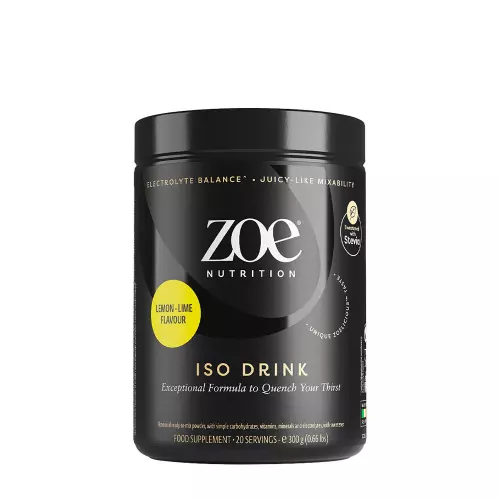
ZOE Nutrition Iso Drink (300 g, Lemon Lime)

AI overview
AI-generated content, not intended as medical advice.
What is it good for?
Supports energy intake, fluid balance, normal muscle function and micronutrient needs around physical activity.
Who is it recommended for?
Recommended for active adults seeking a convenient carbohydrate, mineral and vitamin drink before, during or after exercise.
Key active ingredients per serving:
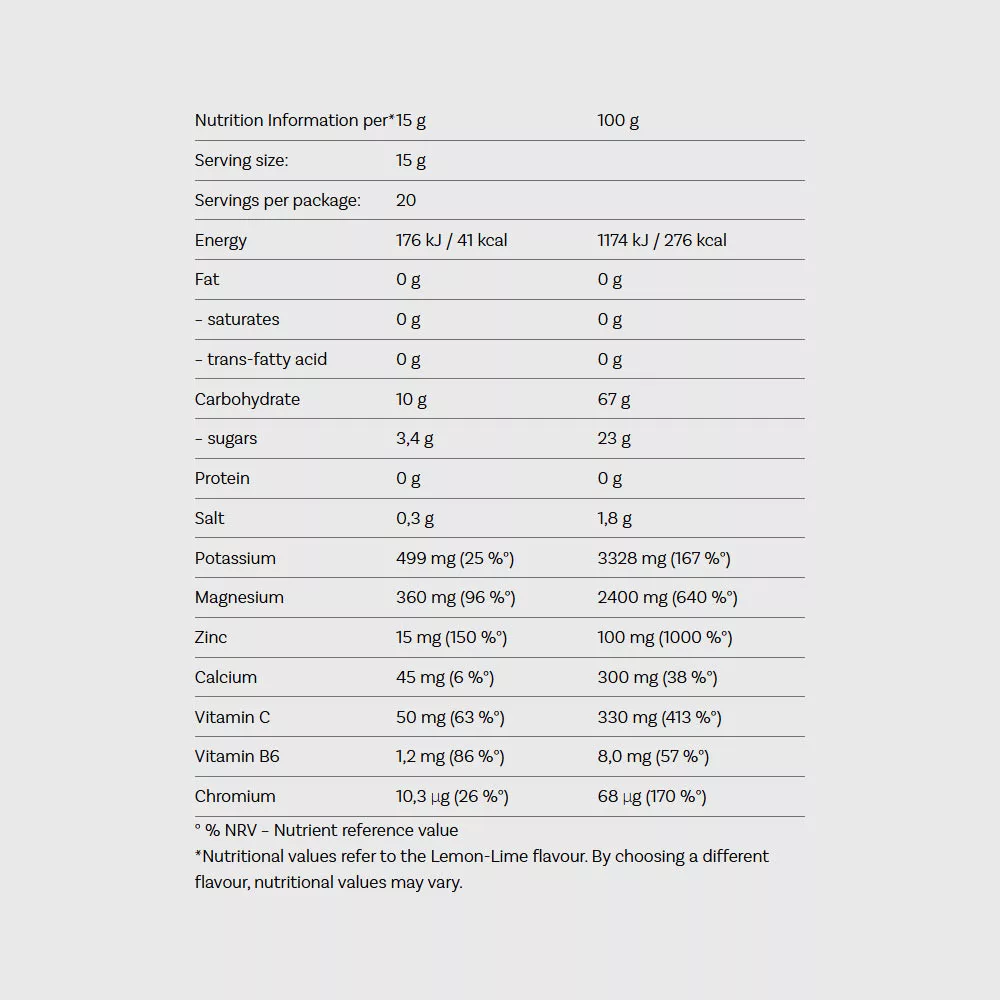
Carbohydrates, Magnesium, Potassium, Vitamin C, Vitamin B6.
Directions:
Mix 1 serving (15 g) with 200 ml of water and drink once daily before, during or after exercise.
Other features:
Gluten free.
Read more
Show less
Unit price
46,81 €/kg
Servings Per Container
20
EAN
3856026710143
Details

- Drink powder combining carbohydrates, vitamins and minerals
- With magnesium, potassium, zinc, calcium and chromium
- Includes vitamin C and vitamin B6
- Gluten-free formula
- 300 g pack containing 20 servings
A refreshing formula for an active lifestyle
zoe Iso Drink combines carbohydrate ingredients with selected minerals and vitamins in a flavoured powder. Its composition includes maltodextrin, dextrose and fructose alongside magnesium, potassium and other micronutrients. This creates a drink formula that brings several nutrient groups together rather than providing flavour alone.
Carbohydrates and physical activity
Carbohydrates are one of the body's main energy sources. During digestion, they are broken down into simpler sugars that can be absorbed and used by the body. Their nutritional role is particularly relevant during physical activity, when working muscles require a continuing supply of energy.
The importance of carbohydrate intake depends on the activity involved. Duration, intensity and the wider diet all influence nutritional needs. A short, light session and a prolonged endurance activity place different demands on the body, so sports nutrition is best considered in the context of the activity rather than as a single universal requirement.
Electrolytes and fluid balance
Electrolytes include minerals such as sodium, potassium, magnesium and calcium. In the body, these substances participate in fluid balance, nerve signalling and muscle contraction. Their functions are interconnected: normal physical activity depends on coordinated communication between nerves and muscles as well as an appropriate balance of fluids.
Fluid intake and electrolyte intake are related aspects of nutrition. Water remains essential, while electrolytes contribute to the processes that regulate its distribution and use within the body. These are general physiological roles of electrolytes and provide context for their inclusion in a sports drink formula.
Magnesium and potassium
Magnesium participates in hundreds of enzyme systems involved in normal biochemical reactions. These include processes associated with energy production, protein synthesis and muscle and nerve function. It also plays a role in the transport of potassium and calcium across cell membranes, linking its nutritional role with normal cellular activity.
Potassium is involved in nerve transmission and muscle contraction. Differences in potassium concentration inside and outside cells help create the conditions needed for these processes. This illustrates why minerals are relevant to normal muscle function even though they do not provide energy in the same way as carbohydrates.
Vitamin C and vitamin B6
Vitamin C participates in the body's production of collagen and supports normal immune function. It also acts as an antioxidant, helping protect cells against oxidative damage. These established functions make it a relevant micronutrient within a varied diet, beyond its familiar association with fruit and vegetables.
Vitamin B6 participates in numerous enzyme reactions, many of which concern protein metabolism. It also has roles in haemoglobin formation and normal immune function. Vitamins therefore contribute to the processes through which the body functions, while carbohydrate ingredients provide a separate source of dietary energy.
A combination of nutrient groups
Iso Drink brings its carbohydrate base and micronutrient ingredients together in a powder format. The inclusion of several minerals alongside vitamins C and B6 gives the formula a broader composition than a carbohydrate-only drink. Its role can be considered alongside ordinary meals, sufficient fluid intake and the nutritional demands of an active lifestyle.
A varied diet remains the foundation of everyday nutrition. Individual food choices, activity levels and fluid requirements differ, so a drink supplement forms one part of that wider picture. The formula offers a convenient way to combine selected nutrients in a flavoured beverage.
DIRECTION (1 serving = 15 g)
Mix 1 serving (15 g) with 200 ml of water and drink once a day. The manufacturer's product page also states that it may be consumed before, during or after exercise. Scoops provide approximate measurements: weighing scales are recommended.
STORAGE
Store in a cool, dry place.
WARNINGS
Do not exceed the recommended daily dose. Keep out of reach of children. Food supplements should not replace a varied, balanced diet and a healthy lifestyle. Do not consume the silica gel sachet included to help prevent clumping. May contain traces of soya, eggs, celery, mustard, sulphites, fish, crustaceans, peanuts and nuts.
Size
Flavor
14,04 €
Log in/register for an instant 5-10% discount
Free Shipping
Out of stock
+1404 VitaCOIN  Learn more >>
Loyalty points for this product after logging in:
14,04 €

AI overview
AI-generated content, not intended as medical advice.
What is it good for?
Supports energy intake, fluid balance, normal muscle function and micronutrient needs around physical activity.
Who is it recommended for?
Recommended for active adults seeking a convenient carbohydrate, mineral and vitamin drink before, during or after exercise.
Key active ingredients per serving:
Carbohydrates, Magnesium, Potassium, Vitamin C, Vitamin B6.
Directions:
Mix 1 serving (15 g) with 200 ml of water and drink once daily before, during or after exercise.
Other features:
Gluten free.
Read more
Show less
Unit price
46,81 €/kg
Servings Per Container
20
EAN
3856026710143
Details
- Drink powder combining carbohydrates, vitamins and minerals
- With magnesium, potassium, zinc, calcium and chromium
- Includes vitamin C and vitamin B6
- Gluten-free formula
- 300 g pack containing 20 servings
A refreshing formula for an active lifestyle
zoe Iso Drink combines carbohydrate ingredients with selected minerals and vitamins in a flavoured powder. Its composition includes maltodextrin, dextrose and fructose alongside magnesium, potassium and other micronutrients. This creates a drink formula that brings several nutrient groups together rather than providing flavour alone.
Carbohydrates and physical activity
Carbohydrates are one of the body's main energy sources. During digestion, they are broken down into simpler sugars that can be absorbed and used by the body. Their nutritional role is particularly relevant during physical activity, when working muscles require a continuing supply of energy.
The importance of carbohydrate intake depends on the activity involved. Duration, intensity and the wider diet all influence nutritional needs. A short, light session and a prolonged endurance activity place different demands on the body, so sports nutrition is best considered in the context of the activity rather than as a single universal requirement.
Electrolytes and fluid balance
Electrolytes include minerals such as sodium, potassium, magnesium and calcium. In the body, these substances participate in fluid balance, nerve signalling and muscle contraction. Their functions are interconnected: normal physical activity depends on coordinated communication between nerves and muscles as well as an appropriate balance of fluids.
Fluid intake and electrolyte intake are related aspects of nutrition. Water remains essential, while electrolytes contribute to the processes that regulate its distribution and use within the body. These are general physiological roles of electrolytes and provide context for their inclusion in a sports drink formula.
Magnesium and potassium
Magnesium participates in hundreds of enzyme systems involved in normal biochemical reactions. These include processes associated with energy production, protein synthesis and muscle and nerve function. It also plays a role in the transport of potassium and calcium across cell membranes, linking its nutritional role with normal cellular activity.
Potassium is involved in nerve transmission and muscle contraction. Differences in potassium concentration inside and outside cells help create the conditions needed for these processes. This illustrates why minerals are relevant to normal muscle function even though they do not provide energy in the same way as carbohydrates.
Vitamin C and vitamin B6
Vitamin C participates in the body's production of collagen and supports normal immune function. It also acts as an antioxidant, helping protect cells against oxidative damage. These established functions make it a relevant micronutrient within a varied diet, beyond its familiar association with fruit and vegetables.
Vitamin B6 participates in numerous enzyme reactions, many of which concern protein metabolism. It also has roles in haemoglobin formation and normal immune function. Vitamins therefore contribute to the processes through which the body functions, while carbohydrate ingredients provide a separate source of dietary energy.
A combination of nutrient groups
Iso Drink brings its carbohydrate base and micronutrient ingredients together in a powder format. The inclusion of several minerals alongside vitamins C and B6 gives the formula a broader composition than a carbohydrate-only drink. Its role can be considered alongside ordinary meals, sufficient fluid intake and the nutritional demands of an active lifestyle.
A varied diet remains the foundation of everyday nutrition. Individual food choices, activity levels and fluid requirements differ, so a drink supplement forms one part of that wider picture. The formula offers a convenient way to combine selected nutrients in a flavoured beverage.
DIRECTION (1 serving = 15 g)
Mix 1 serving (15 g) with 200 ml of water and drink once a day. The manufacturer's product page also states that it may be consumed before, during or after exercise. Scoops provide approximate measurements: weighing scales are recommended.
STORAGE
Store in a cool, dry place.
WARNINGS
Do not exceed the recommended daily dose. Keep out of reach of children. Food supplements should not replace a varied, balanced diet and a healthy lifestyle. Do not consume the silica gel sachet included to help prevent clumping. May contain traces of soya, eggs, celery, mustard, sulphites, fish, crustaceans, peanuts and nuts.
extra informations
Brand
ZOE Nutrition
Gender
For both sex
Life stage
Adult
Product form
Capsule
Calories
41 kcal / serving
Others also viewed