




Your cart is empty.
Click here to purchase!

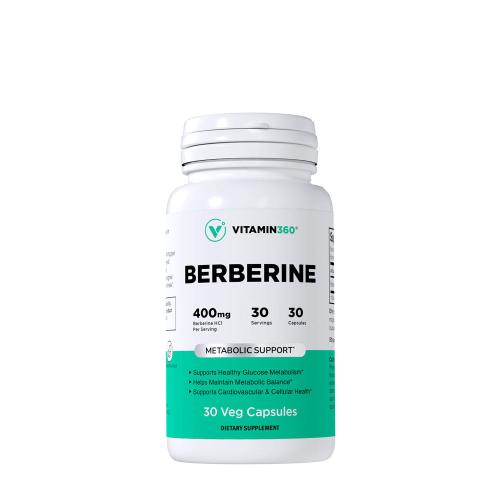
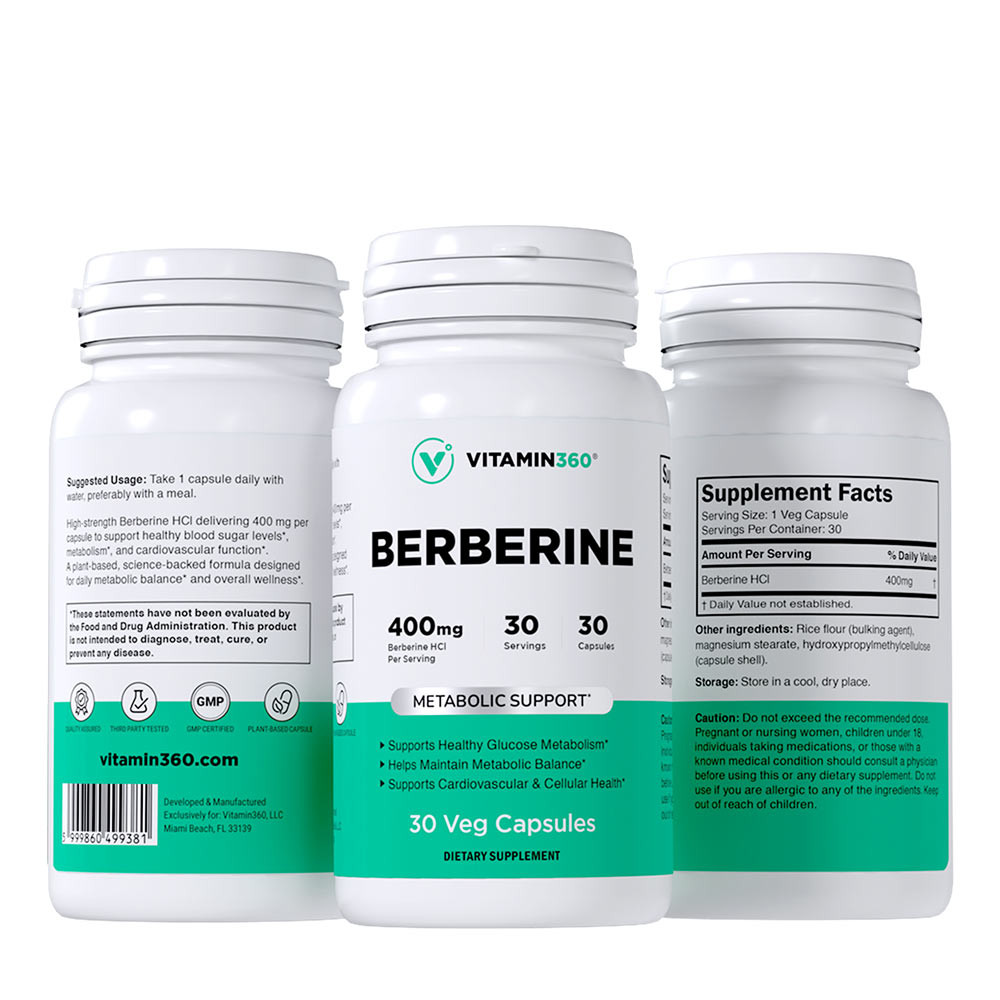
Vitamin360 Berberine (30 Veg Capsules)
10,10 €
Vitamin360 Berberine (30 Veg Capsules)

AI overview
AI-generated content, not intended as medical advice.
What is it good for?
Berberine may support normal glucose metabolism, cellular glucose uptake, metabolic balance, mitochondrial energy use, circulatory function, gut microbiome function, and antioxidant defenses.
Who is it recommended for?
It is recommended for adults seeking daily support for glucose metabolism and long-term metabolic health.
Key active ingredients per serving:
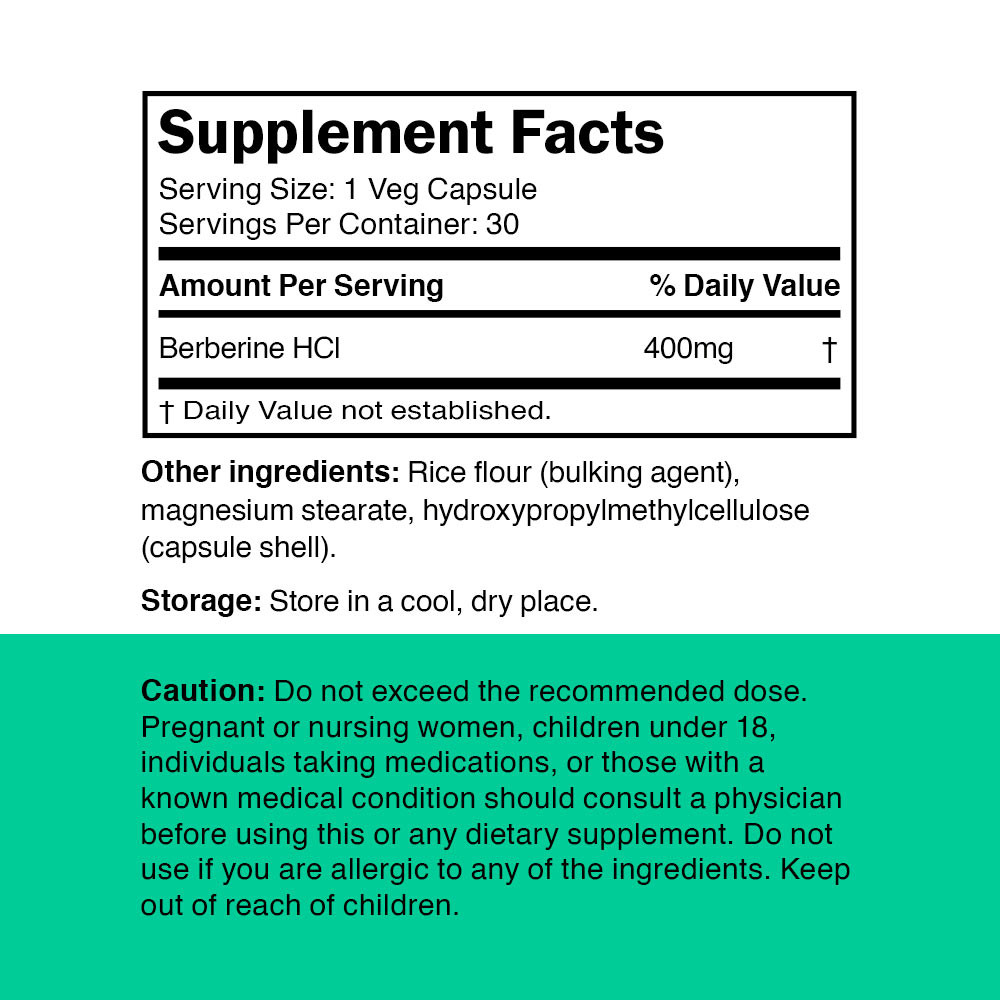
Berberine HCl 400mg
Directions:
Take 1 capsule daily with water, preferably with a meal, and do not exceed the recommended dosage.
Other features:
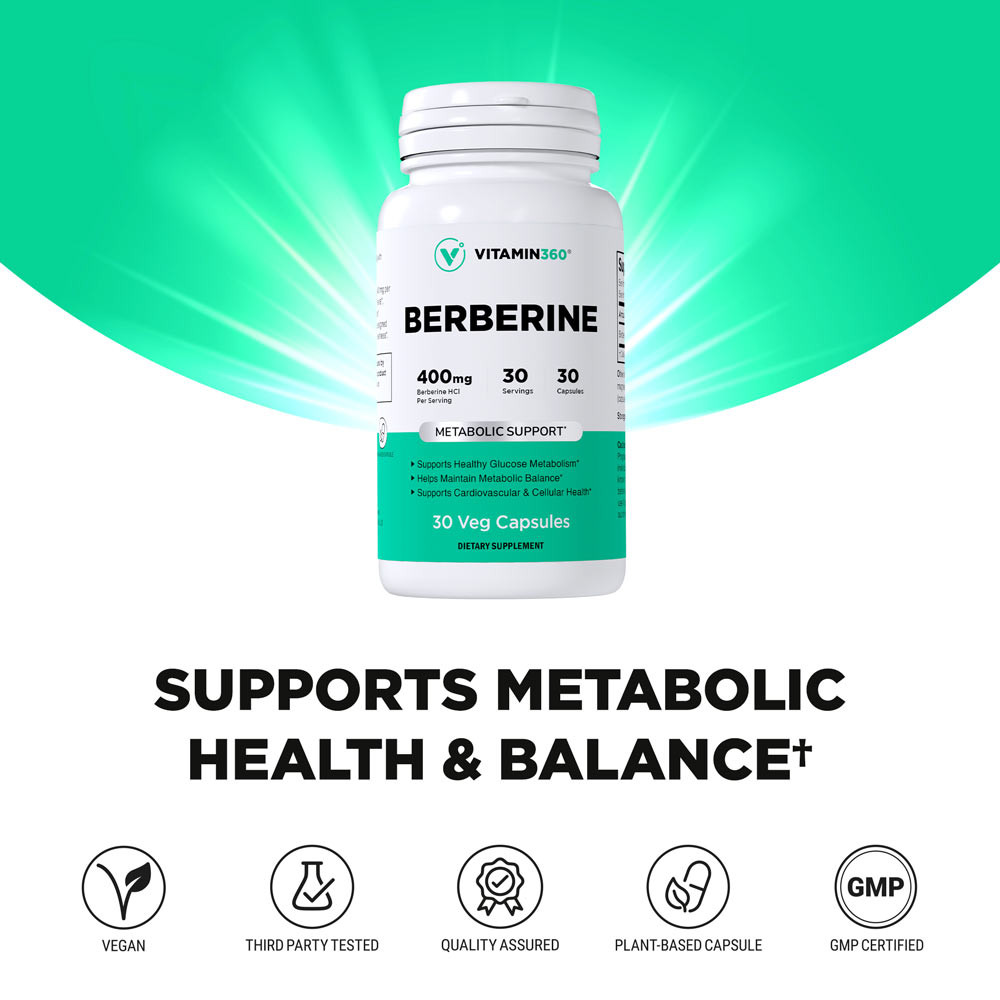
Lactose free, Dairy free, Sugar free, Vegan, Cruelty Free, GMP certified, Lab Tested
Read more
Show less
Unit price
0,3368 €/serving
Servings Per Container
30
EAN
5999860499381
Best By
2028-03-31
Details





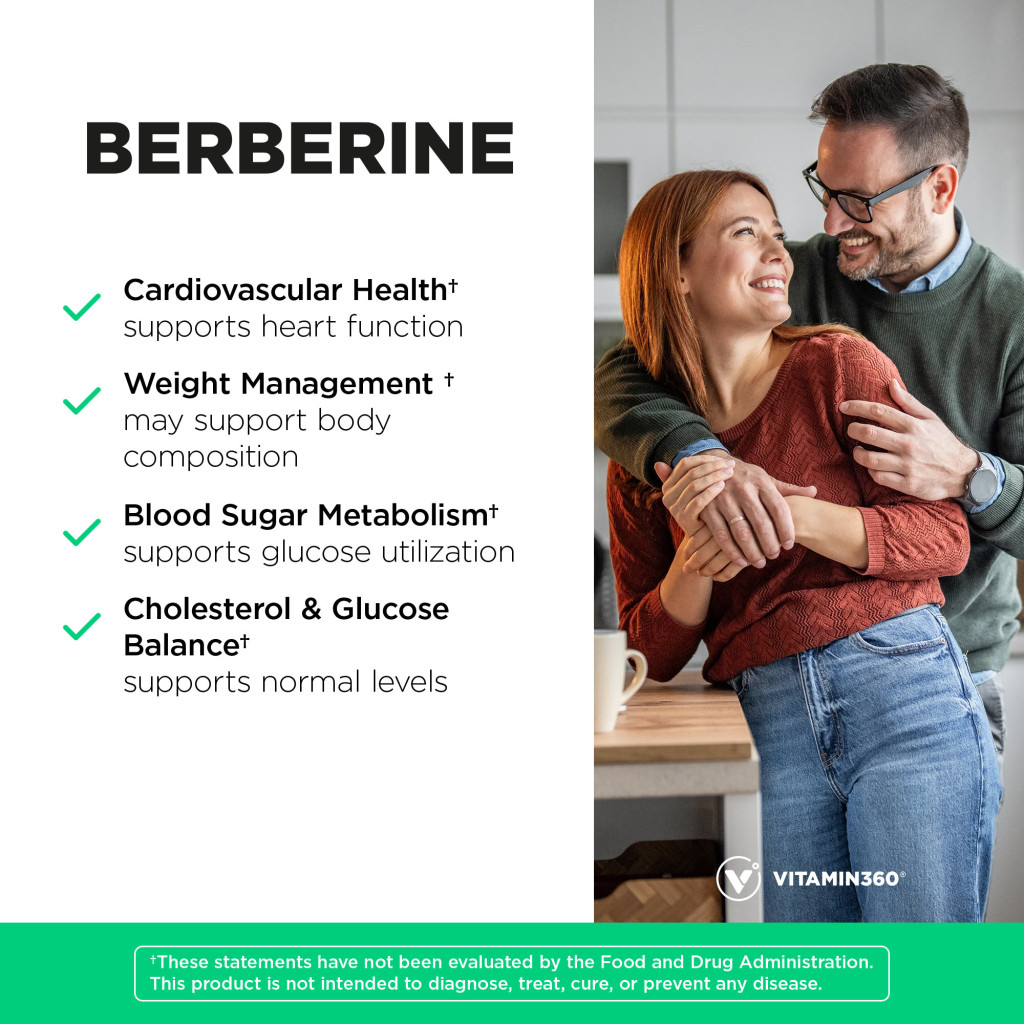
- May support processes related to maintaining normal blood sugar levels
- May help mechanisms involved in cellular glucose uptake
- May contribute to metabolic balance
- May support mitochondrial energy utilization
- May assist the response to oxidative stress (damage caused by free radicals)
- May contribute to the normal functioning of the circulatory system
- May support gut microbiome function
Supporting cellular glucose uptake
Cells can only utilize energy if glucose enters them. Berberine primarily acts here: it helps cells respond more efficiently to the presence of glucose, which may contribute to maintaining normal blood sugar levels.However, its detailed mechanism is particularly interesting – it does not increase insulin levels nor stimulate the pancreas. Instead, it activates signaling pathways that direct cellular energy use in a way similar to insulin action. This is why it may appear insulin-like, but in reality it is not a hormonal effect, but cellular metabolic support.
Supporting metabolic signaling pathways
Glucose metabolism is regulated by multiple signaling pathways that control how the body uses energy. Berberine supports molecular processes involved in these systems. In practice, this means the body can adapt more efficiently to post-meal glucose load.Supporting processes related to metabolic balance
Glucose metabolism does not function in isolation: it is closely linked to fat metabolism, cellular energy use, and mitochondrial function. Berberine supports physiological mechanisms involved in maintaining metabolic balance. This is especially important when modern lifestyle factors – irregular eating, stress, lack of physical activity – place strain on these processes.The combined effect of these three mechanisms
Together, these mechanisms create the effect profile that makes berberine one of the most extensively studied natural compounds for supporting physiological processes related to glucose metabolism.Additional properties of berberine
Beyond its effects on glucose metabolism, berberine is linked to several physiological areas that are particularly relevant in the context of modern lifestyle challenges.Processes related to the circulatory system
Berberine may positively influence vascular elasticity and the energy utilization of vascular wall cells, contributing to overall circulatory balance.Gut microbiome and digestive processes
Berberine also affects mechanisms related to gut microbiome function. The composition and activity of gut flora influence metabolism, nutrient utilization, and the body’s glucose response. Through this, berberine also indirectly supports metabolic balance at the level of the digestive system.Cellular responses to oxidative stress
Cells constantly respond to oxidative stress, which is often increased due to modern lifestyle, environmental burden, and higher energy demands. Berberine supports these natural defense processes, contributing to normal cellular function.Overall, berberine does not act as a rapid stimulant, but rather supports gradual, system-level balance, which is particularly valuable under the pressures of modern lifestyle. This makes berberine a stable, long-term foundational supplement for supporting metabolic health. It is not designed to immediately reduce sugar load after high-carbohydrate meals, but works progressively with consistent use.
DIRECTION (1 serving = 1 capsule)
Take 1 capsule daily with water, preferably with a meal.
STORAGE
Store in a cool, dry place.
WARNINGS
Do not exceed the recommended dosage. If you are pregnant, breastfeeding, under 18, taking medication, or have any medical condition, consult your doctor before use. Do not use if you are allergic to any of the ingredients. Keep out of reach of children.
10,10 €
Log in/register for a 10-20% discount
Free Shipping
+1010 VitaCOIN  Learn more >>
Learn more >>
Loyalty points for this product after logging in:
10,10 €

AI overview
AI-generated content, not intended as medical advice.
What is it good for?
Berberine may support normal glucose metabolism, cellular glucose uptake, metabolic balance, mitochondrial energy use, circulatory function, gut microbiome function, and antioxidant defenses.
Who is it recommended for?
It is recommended for adults seeking daily support for glucose metabolism and long-term metabolic health.
Key active ingredients per serving:
Berberine HCl 400mg
Directions:
Take 1 capsule daily with water, preferably with a meal, and do not exceed the recommended dosage.
Other features:
Lactose free, Dairy free, Sugar free, Vegan, Cruelty Free, GMP certified, Lab Tested
Read more
Show less
Unit price
0,3368 €/serving
Servings Per Container
30
EAN
5999860499381
Best By
2028-03-31
Details
- May support processes related to maintaining normal blood sugar levels
- May help mechanisms involved in cellular glucose uptake
- May contribute to metabolic balance
- May support mitochondrial energy utilization
- May assist the response to oxidative stress (damage caused by free radicals)
- May contribute to the normal functioning of the circulatory system
- May support gut microbiome function
Supporting cellular glucose uptake
Cells can only utilize energy if glucose enters them. Berberine primarily acts here: it helps cells respond more efficiently to the presence of glucose, which may contribute to maintaining normal blood sugar levels.However, its detailed mechanism is particularly interesting – it does not increase insulin levels nor stimulate the pancreas. Instead, it activates signaling pathways that direct cellular energy use in a way similar to insulin action. This is why it may appear insulin-like, but in reality it is not a hormonal effect, but cellular metabolic support.
Supporting metabolic signaling pathways
Glucose metabolism is regulated by multiple signaling pathways that control how the body uses energy. Berberine supports molecular processes involved in these systems. In practice, this means the body can adapt more efficiently to post-meal glucose load.Supporting processes related to metabolic balance
Glucose metabolism does not function in isolation: it is closely linked to fat metabolism, cellular energy use, and mitochondrial function. Berberine supports physiological mechanisms involved in maintaining metabolic balance. This is especially important when modern lifestyle factors – irregular eating, stress, lack of physical activity – place strain on these processes.The combined effect of these three mechanisms
Together, these mechanisms create the effect profile that makes berberine one of the most extensively studied natural compounds for supporting physiological processes related to glucose metabolism.Additional properties of berberine
Beyond its effects on glucose metabolism, berberine is linked to several physiological areas that are particularly relevant in the context of modern lifestyle challenges.Processes related to the circulatory system
Berberine may positively influence vascular elasticity and the energy utilization of vascular wall cells, contributing to overall circulatory balance.Gut microbiome and digestive processes
Berberine also affects mechanisms related to gut microbiome function. The composition and activity of gut flora influence metabolism, nutrient utilization, and the body’s glucose response. Through this, berberine also indirectly supports metabolic balance at the level of the digestive system.Cellular responses to oxidative stress
Cells constantly respond to oxidative stress, which is often increased due to modern lifestyle, environmental burden, and higher energy demands. Berberine supports these natural defense processes, contributing to normal cellular function.Overall, berberine does not act as a rapid stimulant, but rather supports gradual, system-level balance, which is particularly valuable under the pressures of modern lifestyle. This makes berberine a stable, long-term foundational supplement for supporting metabolic health. It is not designed to immediately reduce sugar load after high-carbohydrate meals, but works progressively with consistent use.
DIRECTION (1 serving = 1 capsule)
Take 1 capsule daily with water, preferably with a meal.
STORAGE
Store in a cool, dry place.
WARNINGS
Do not exceed the recommended dosage. If you are pregnant, breastfeeding, under 18, taking medication, or have any medical condition, consult your doctor before use. Do not use if you are allergic to any of the ingredients. Keep out of reach of children.
extra informations
Brand
Vitamin360
Gender
For both sex
Life stage
Adult
Product form
Capsule
About the Brand

Vitamin360
With Vitamin360 supplements, maintaining health and extensive support for the immune system is child's play for everyone. Our products are made from raw materials from a reliable source, so you can be sure that you only provide quality nutrients to your body with our supplements.
Other products from the brandOthers also viewed